

The process of making a Tidings is very intuitive and exploratory. I don’t know what I’ve saved - or what shape/story the bookmarks will take until I’m actually curating. And although the patterns of interest are consistent: art, design, technology, community, they’re expressed in different ways each time.
Here’s #4. Enjoy!
send nudes
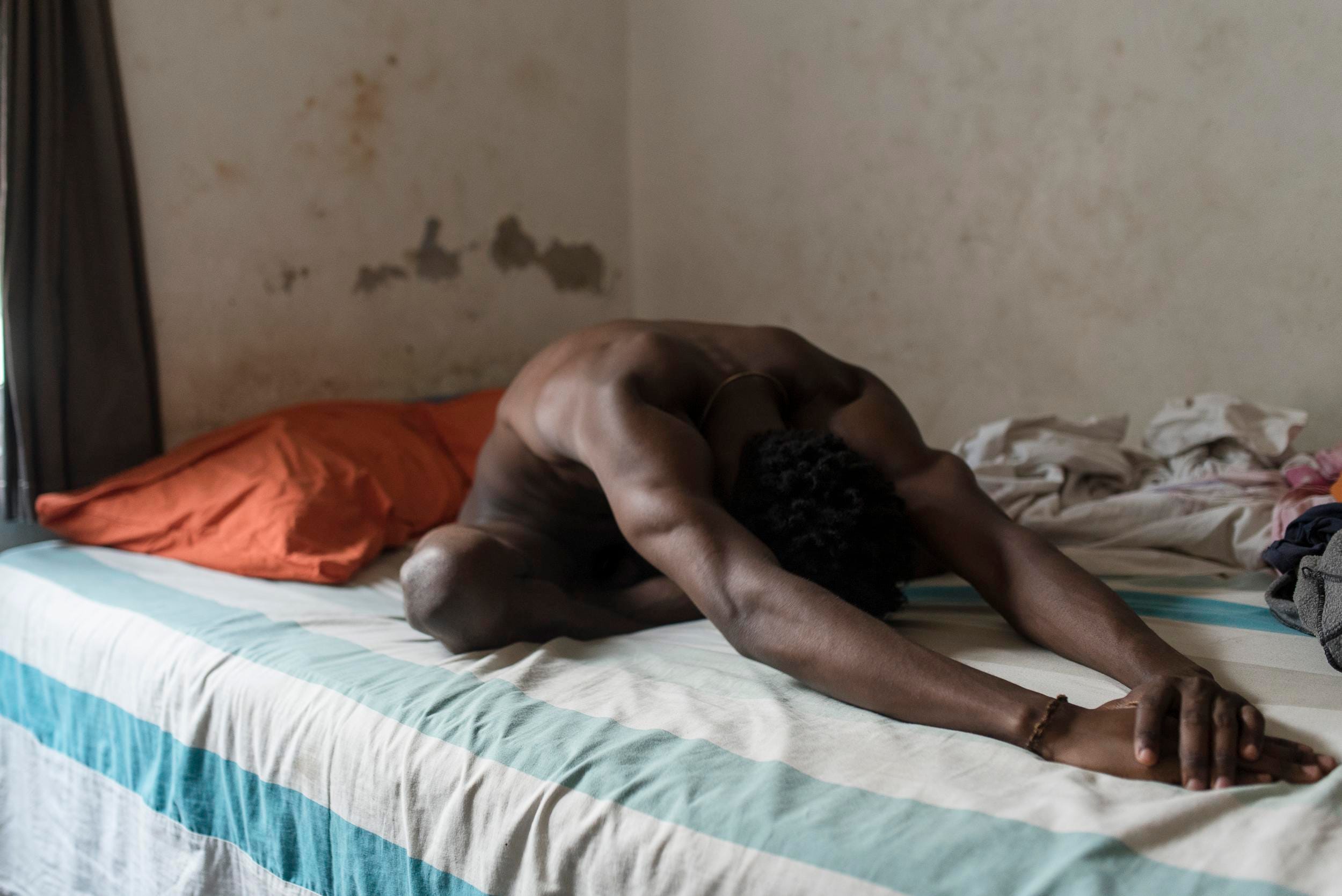
A project by Araba, a Ghanaian-American experience designer, send nudes documents over 100 people in their homes, in the nude, to explore the interaction between the physical and social body as it impacts our internal perception and subsequent external behavior. The interview is centered around four questions:
What is the part of your body you value the most?
What is the first thing people notice about you?
How has that (physical) thing influenced the ways in which others treat you?
Do you believe that ‘all humans are created equal’?
I find introspections like this very refreshing. Watch their TedX talk below.
Bonafide Squatters
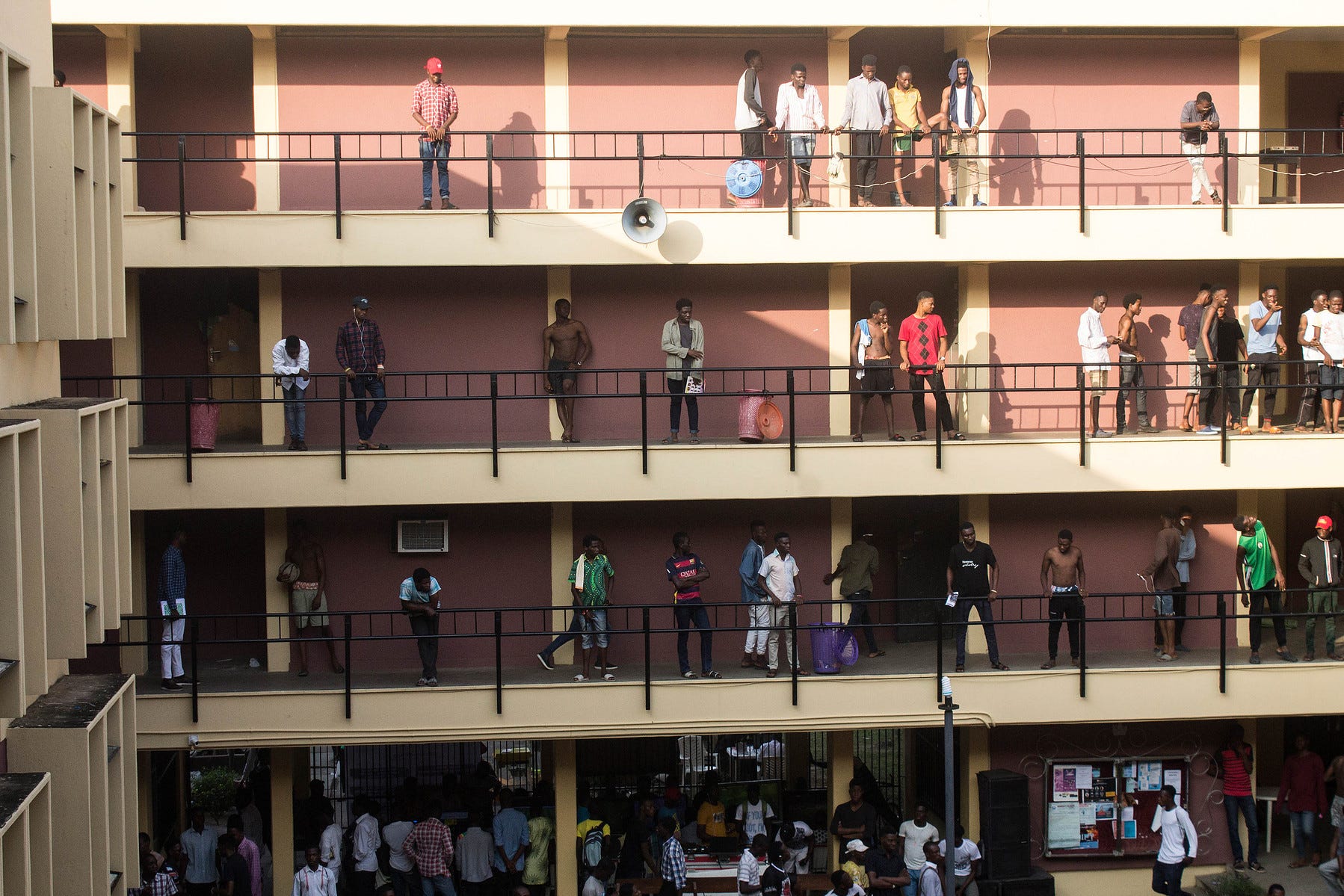
Obayomi Anthony is a documentary filmmaker, photographer, and visual artist, whose work centers on social justice and the preservation of cultural heritage. In this project - Bonafide Squatters - he documents the living conditions in Unilag: dense rooms, packed hallways, common areas, and squatters.
As someone who went to a Nigerian university (or even boarding school), the images are nostalgic and evocative. Especially for a boys’ hostel. If you lean in close, you can hear the chaos and fullness of life from being in close proximity to so many people. I know the quality of life in federal universities is in dire need of improvement, but I wouldn’t change anything about my experience.
→ obayomianthony.com/bonafide-squatters
Timeframe
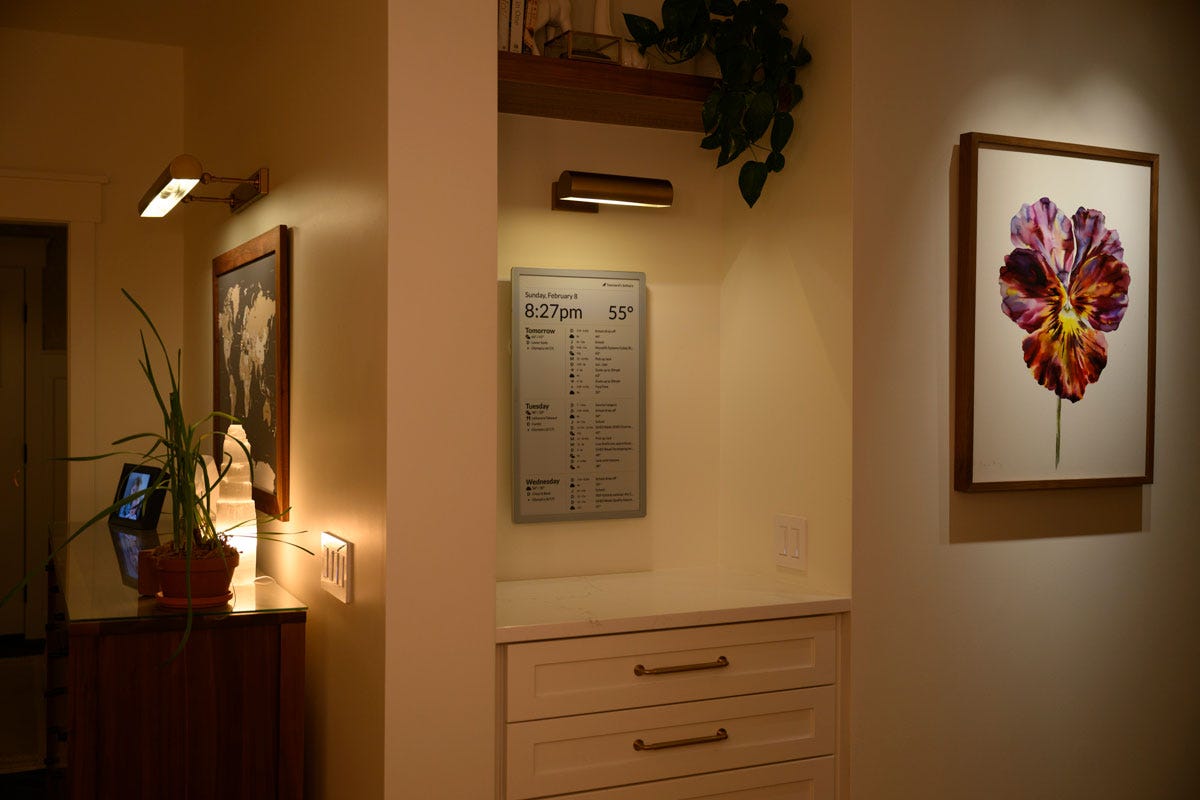
I’ve always been fascinated by handy people (or the quality of building a home yourself). I’m not going to build my own garage or anything, but a 25-inch, always-on e‑paper command center that quietly shows our family’s calendar, weather, and home status at a glance? Count me in!
Joel, a staff software engineer at Github, has meticulously documented the process of building a real‑time family dashboard—from early Magic Mirror and jailbroken Kindle experiments, to more reliable Visionect e‑ink panels, and finally to a large Boox Mira Pro display driven by a Rails backend that leans heavily on Home Assistant for data, real‑time updates, and simple, status‑only views of his smart home.
→ hawksley.org/2026/02/17/timeframe.html
constraint.systems
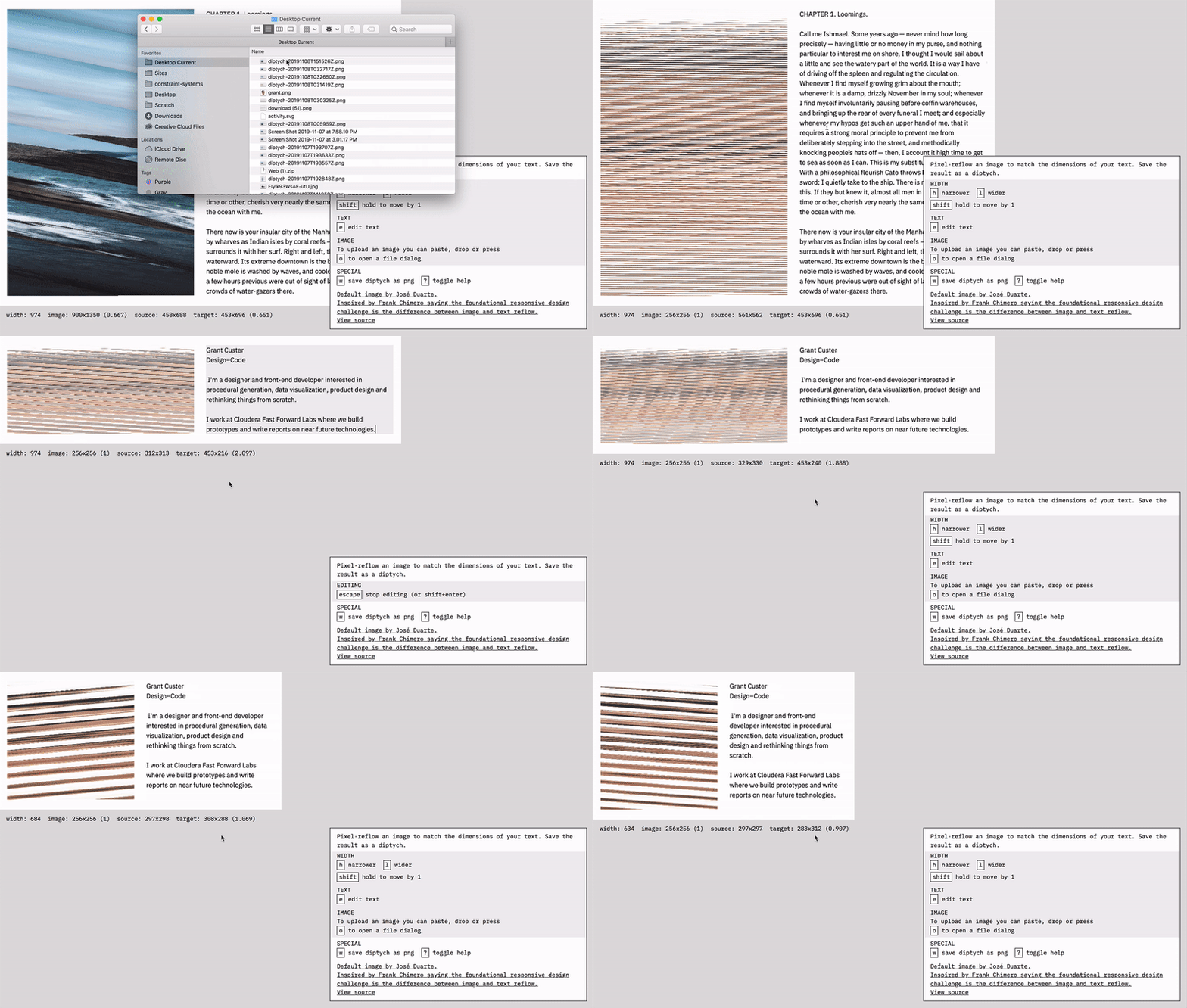
In the spirit of Tech Stuff ©, check out this project that curates alternative interfaces for creating and editing graphics. It’s an ongoing attempt to explore alternative ways of interacting with pixels and text on a computer screen.
The core of design still relies on human strategy, emotional intelligence, and cultural context, but tools like this make experimentation much more fun.
Whose museum is it anyway
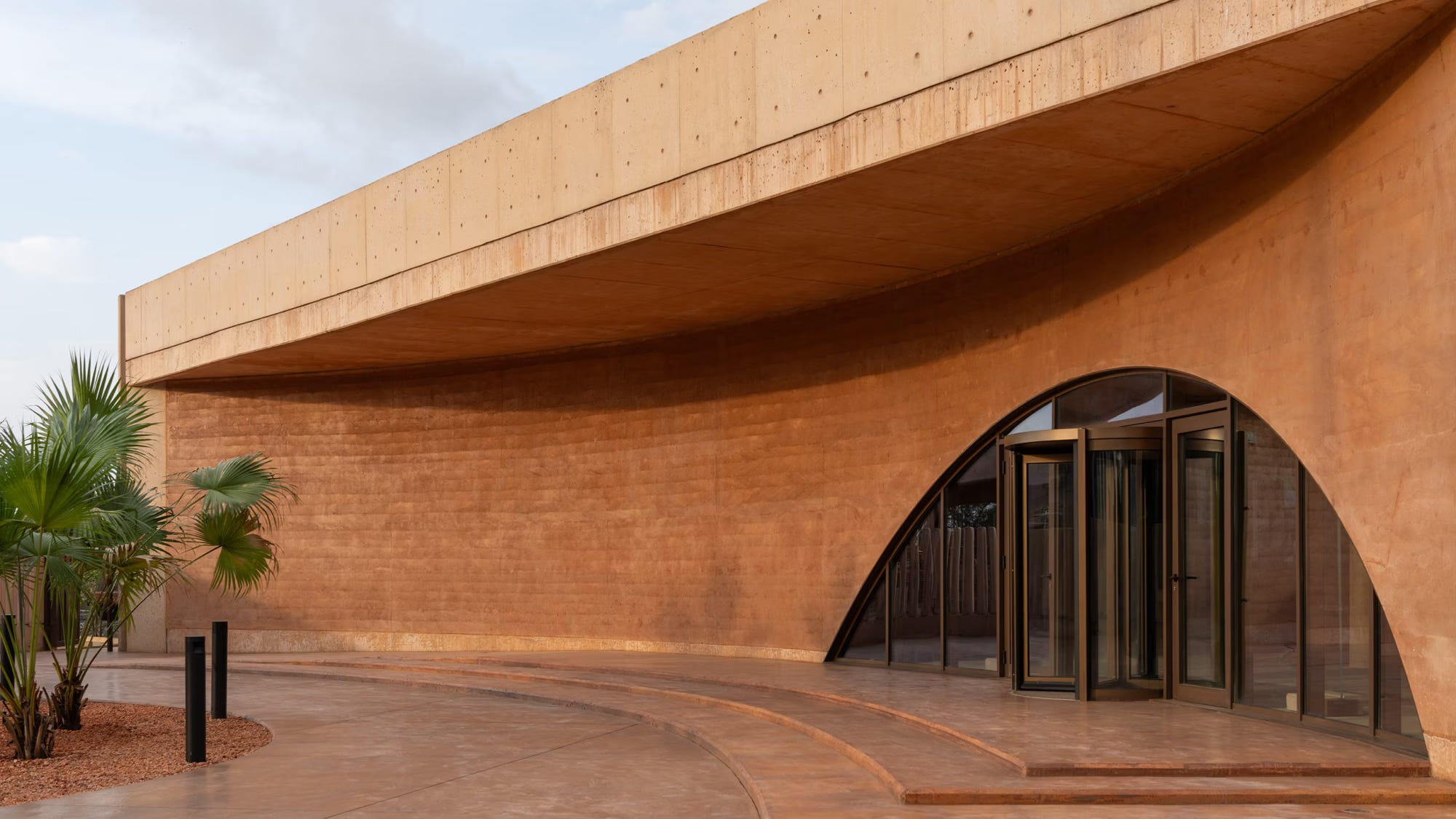
My work with Ajasa has brought me closer to MOWAA, possibly one of the most ambitious institutional undertakings of the last decade. Government-led projects like the John Randle Centre for Yoruba Culture and History, or the recently refreshed National Theatre are a beacon of hope for state leadership in the arts, but private institutions are setting the pace.
MOWAA’s launch weekend was not the clean start they’d hoped for. It was a collision of restitution politics, donor money, state power and royal authority, leaving the building and its programmes in place but its full public opening suspended. Call me a revisionist, but I think that was so important for the conversation that followed. I’ve read a lot of takes, but this one by Afolabi Adekaiyaoja stands out.
→ africasacountry.com/2025/12/whose-museum-is-it-anyway
The Artist Corporation
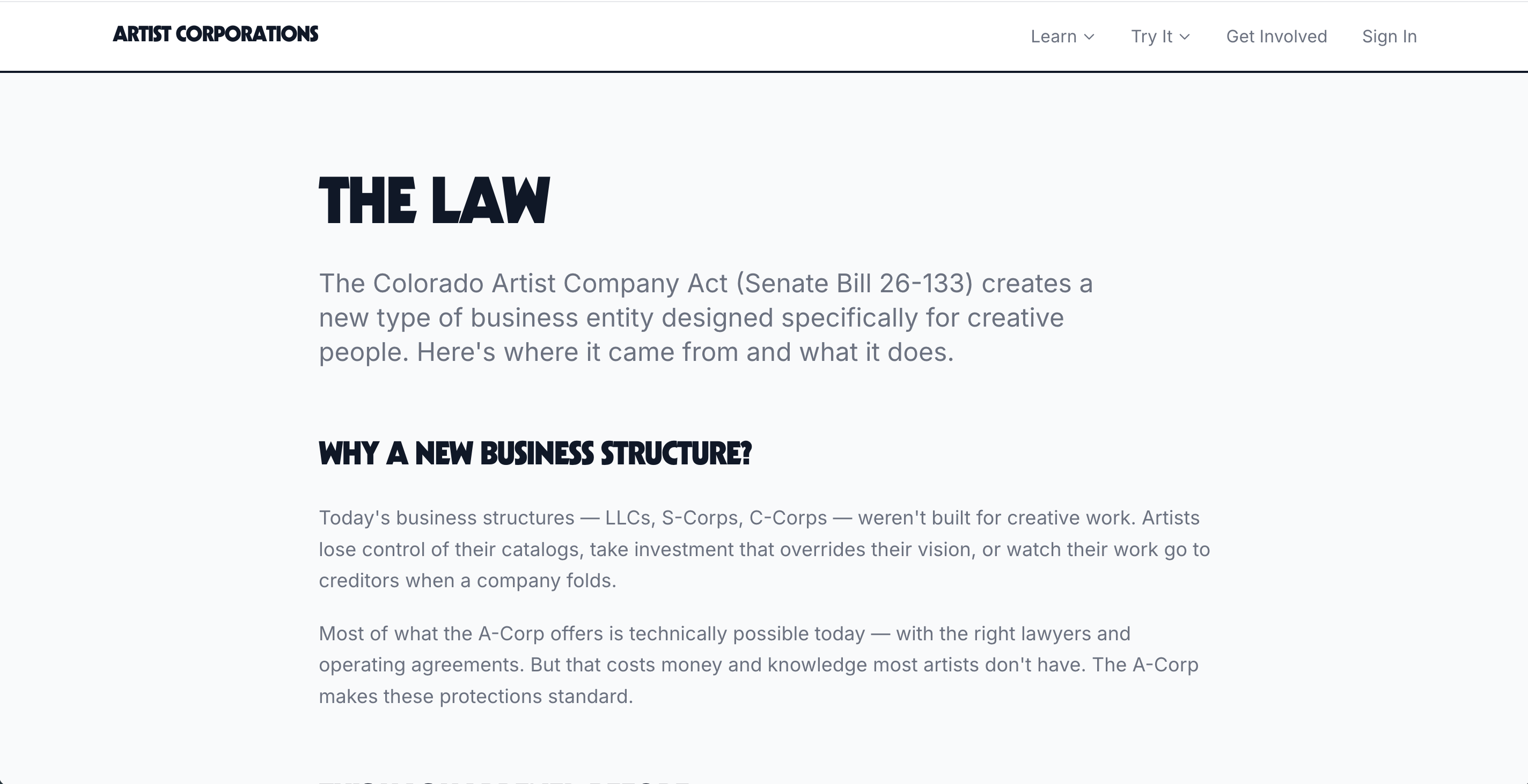
I follow Yancey Strickler religiously (Kickstarter, Metalabel, The Creative Independent, and now Artist Corporations). That man is obsessed with supporting creative work and is one of the few people I really look up to.
The Artist Corporation is a new type of business entity designed for creative people. Artists keep majority control, intellectual property is protected by law, and the artistic mission comes first. Senate Bill 26-133 would make it real in Colorado — and set the model for every state.
This might feel so far away, but if you compare this to local tech companies getting registered in Delaware, then you see how it matters for the arts.
A Sexual History of the Internet
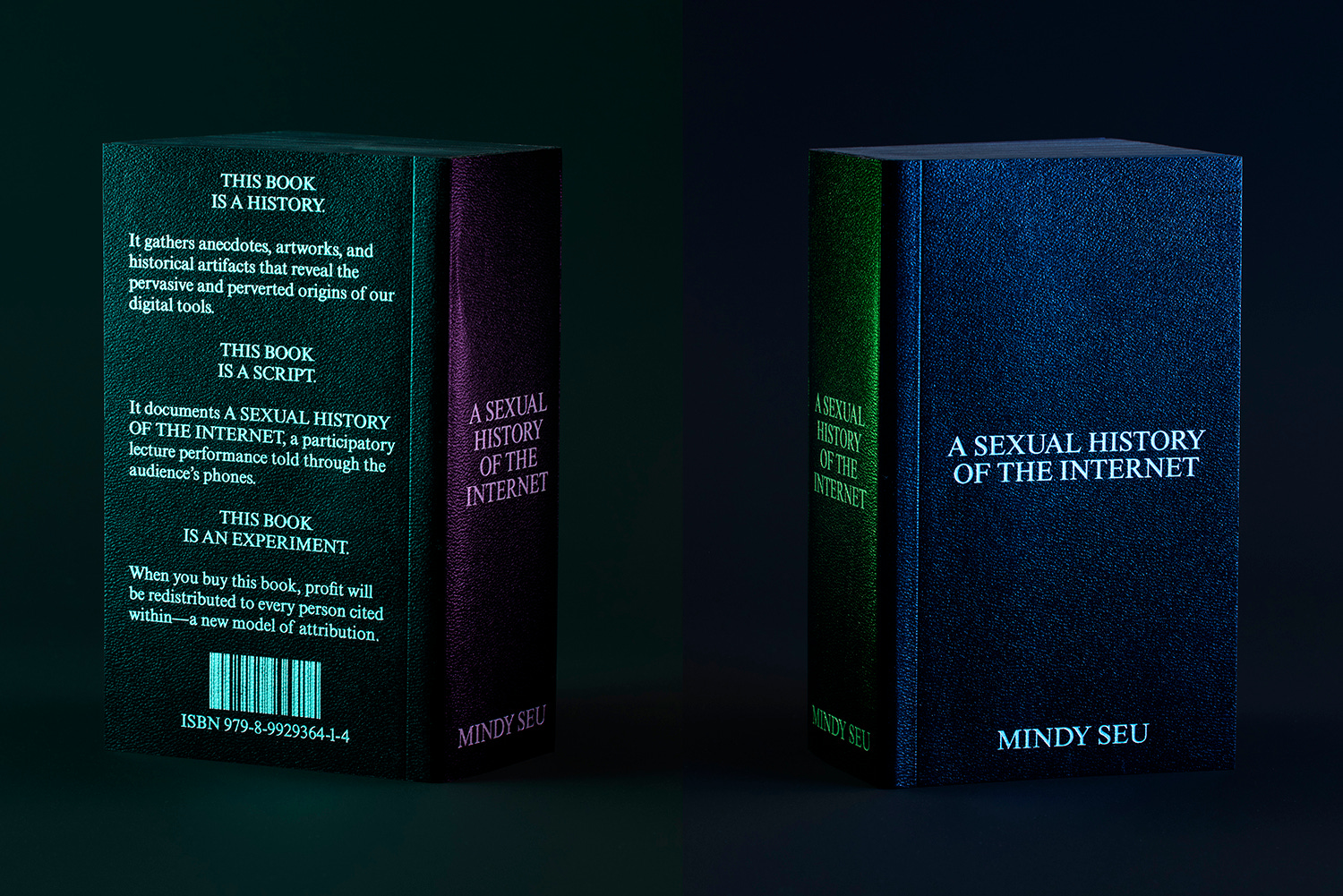
A Sexual History of the Internet is a three-part project (lecture performance, book, and financial experiment) that was recently launched on Metalabel. It’s an exploration of the internet’s relationship to sex, of how laws and censorship have evolved.
The book is a follow-up to Cyberfeminism Index, also created by Mindy Seu and designed by Laura Coombs. It’s designed to “feel like an iPhone, a little black book, and serve as a facsimile of the performance”. In the performance, the audience reads along from their phones in a dimly lit room.
Read all about it in this interview with the author:
→ magazine.032c.com/magazine/techno-development-and-desire-mindy-seu-sexual-history-of-the-internet