


The past year of studio work has been about experimentation. At the end of it, we have so much to reflect on. The following posts are essays from the team on what we’ve learnt and how we’ve grown. Each one captures a uniquely personal experience within the larger group. I’ve really enjoyed them, and I hope you do too…
Every year during my birthday week, which happens to be in December, I have a tradition of reflecting on how far I have come, the highs and the sheges, just to make sure I pick one or two things from it.
Looking back at this year, it doesn’t feel like a clean timeline. It feels more like random moments that only start to make sense when I pause and zoom out. Small wins. Frustrating days. Projects that stretched me in different ways.
Somehow, they all connect.
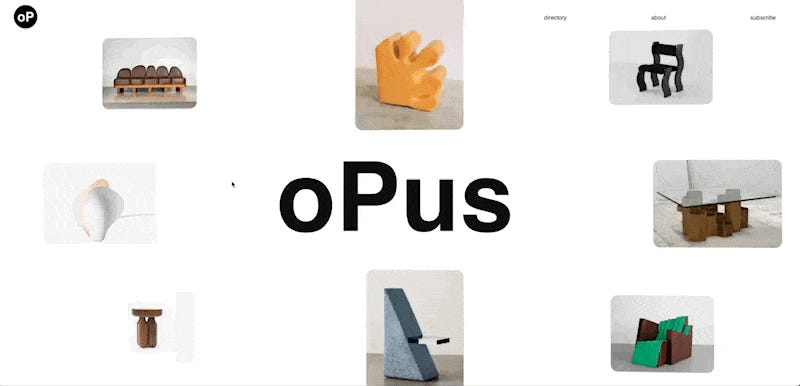
The year really started in December, with oPus.
oPus is a curated directory of independent furniture studios around the world. They don’t sell furniture — they celebrate it. Craft, culture, process.
Their old website didn’t really do justice to that, so we were tasked with redesigning it. The client loved the design we did in Figma in December, which meant January was all about building it.
I was asked if I could build it, and I said yes, without losing a heartbeat, knowing fully well that I had some doubts (serious doubts in fact) because I hadn’t touched Webflow in a while. This was a simple build, but with some interactions I never came close to implementing. Lots of little details that could either make the site feel premium or completely annoy me while building it. So over the holiday break, I quietly went back to basics. Tutorials. Docs. Random experiments. Just trying to remind myself, okay, I can actually do this.
And eventually… I did.
(Also, shoutout to YouTube — It still served its purpose as it used to years ago, before everyone wanted to be a content creator and started creating low-quality content.)
At some point while building oPus, I got stuck on a 3D parallax effect I just couldn’t crack. I spent about two hours going in circles, moving elements from one div to another, getting more annoyed by the minute. Eventually, I gave up, fired up my virtual machine, played some COD, and cleared my head. When I came back, I tried one last idea — basically combining two techniques I’d learned separately while creating a WordPress website— and it worked.
That moment stuck with me all year.
It reminded me that most times, the limitation isn’t the tool. It’s just what you know (or don’t know) about it. Webflow stopped feeling like a constraint and started feeling like a canvas. But only because I was willing to admit I didn’t know enough yet — and actually go learn.
I carried that mentality forward into other projects after that.
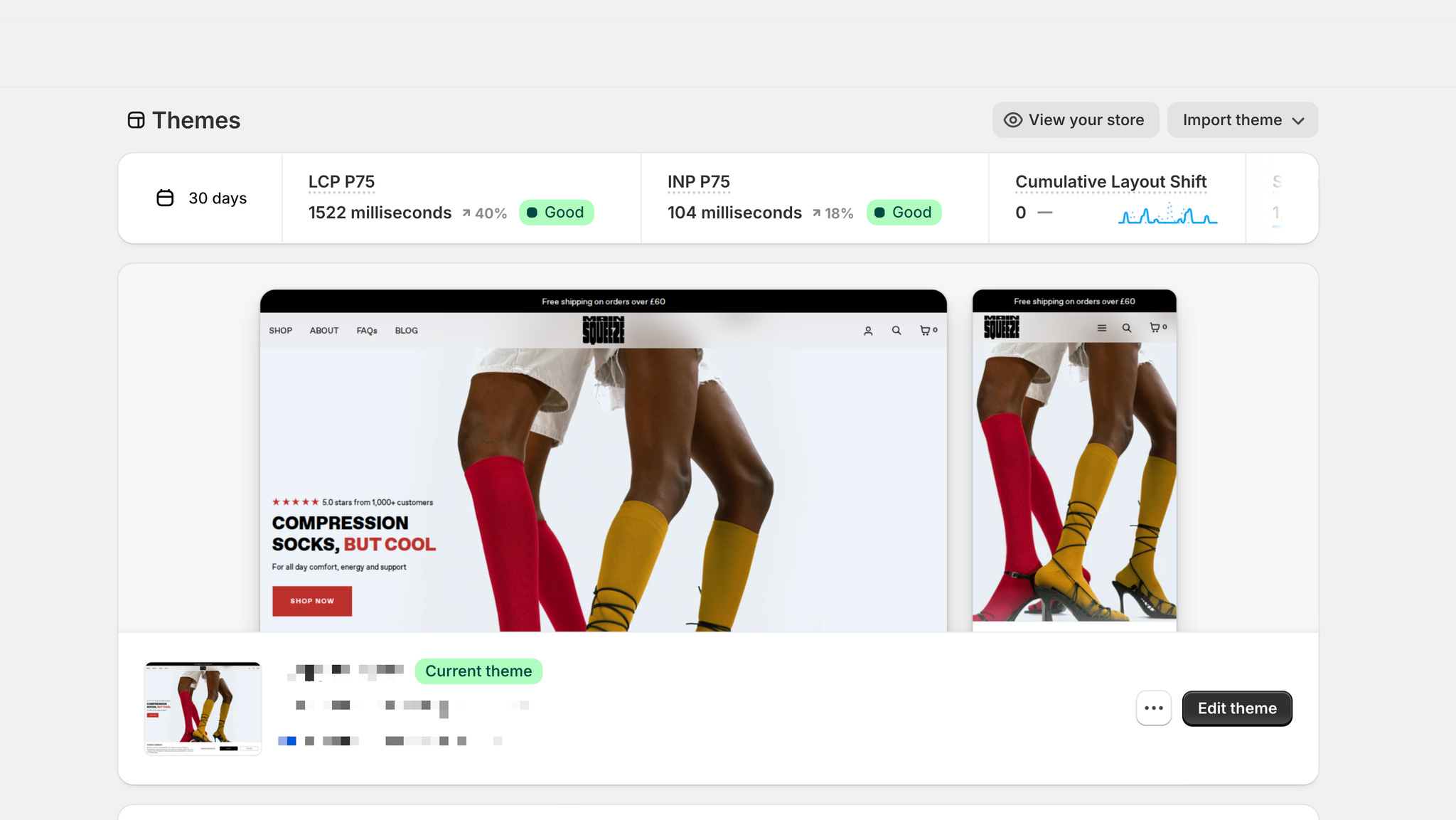
My next project was the Main Squeeze website, my first full Shopify build and maintenance.
Main Squeeze was a lot. Fun. Chaotic. Experimental. Stressful in the best way.
The brand itself is playful and bold — a company trying to make compression socks cool without taking itself too seriously. Before this project, I didn’t know Shopify deeply. By the end of the build, I learned way more than I expected: sections, themes, dynamic content, Liquid logic, apps, etc.
What really stuck with me was seeing just how much design affects sales. Not in theory — in very practical ways. Spacing. Color. Button placement. Product cards. I’d spend ridiculous amounts of time adjusting things like padding around an “Add to Cart” button, asking myself whether 16px felt better than 20px. Whether something felt inviting or pushy. Subtle, but essential. And when you think you have nailed it, you later find out your latest update has broken something else. There was a particular instance where the only thing that saved me was the backup I made before making changes, because I’ve once learnt the hard way.
This was designed in the service of business, and I honestly loved it. Since it is a living project that I maintain, I get exposed to new things almost all the time.
With oPus, it was about craft. With Main Squeeze, it was about conversion. None of those are shallow — they’re just different purposes. And learning to design with the right purpose in mind changed how I approach work.
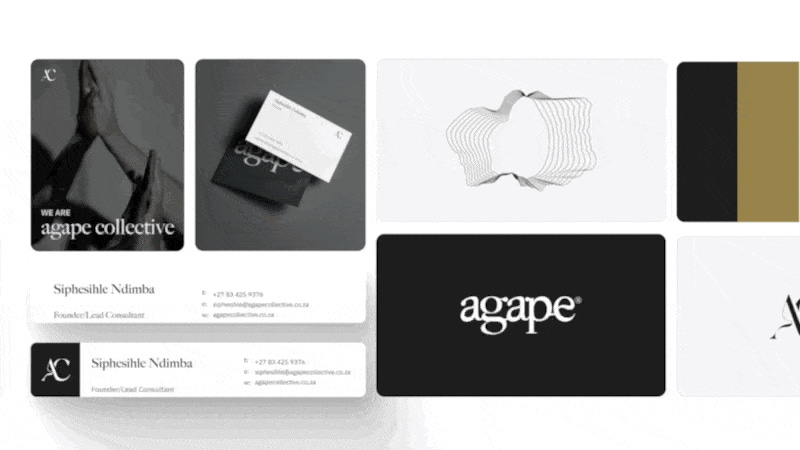
I also created a brand identity for a brand called Agape Collective.
Agape is a boutique strategy consultancy. They wanted to feel credible, thoughtful, and trustworthy. I handled both the brand identity and the Webflow site, and the goal was simple: make them feel real and grounded at first glance.
Unlike the ones that preceded this, this project required restraint.
Contrary to what most people believe (especially those who are not in this space), minimalism is not laziness. It’s precision. In fact, it takes a lot more to create something minimal. Imagine trying to fit everything in this post into just two to three short paragraphs and in the most poetic and captivating way.
Every alignment mattered. Every spacing decision mattered. Every font choice said something. I remember presenting an early version that had a bit more “design” — a bit more flair — a bit more of my default style, and presented it to my manager. It was shut down in the nicest way possible, because it just doesn’t fit the personality of the brand. So we stripped it back. Then stripped it back again.
Until only what truly needed to be there remained.
The final website (also built with Webflow) felt like a tailored suit. Nothing extra. Everything intentional. Where Main Squeeze was about momentum and excitement, Agape was about calm confidence: same skillset, completely different mindset.
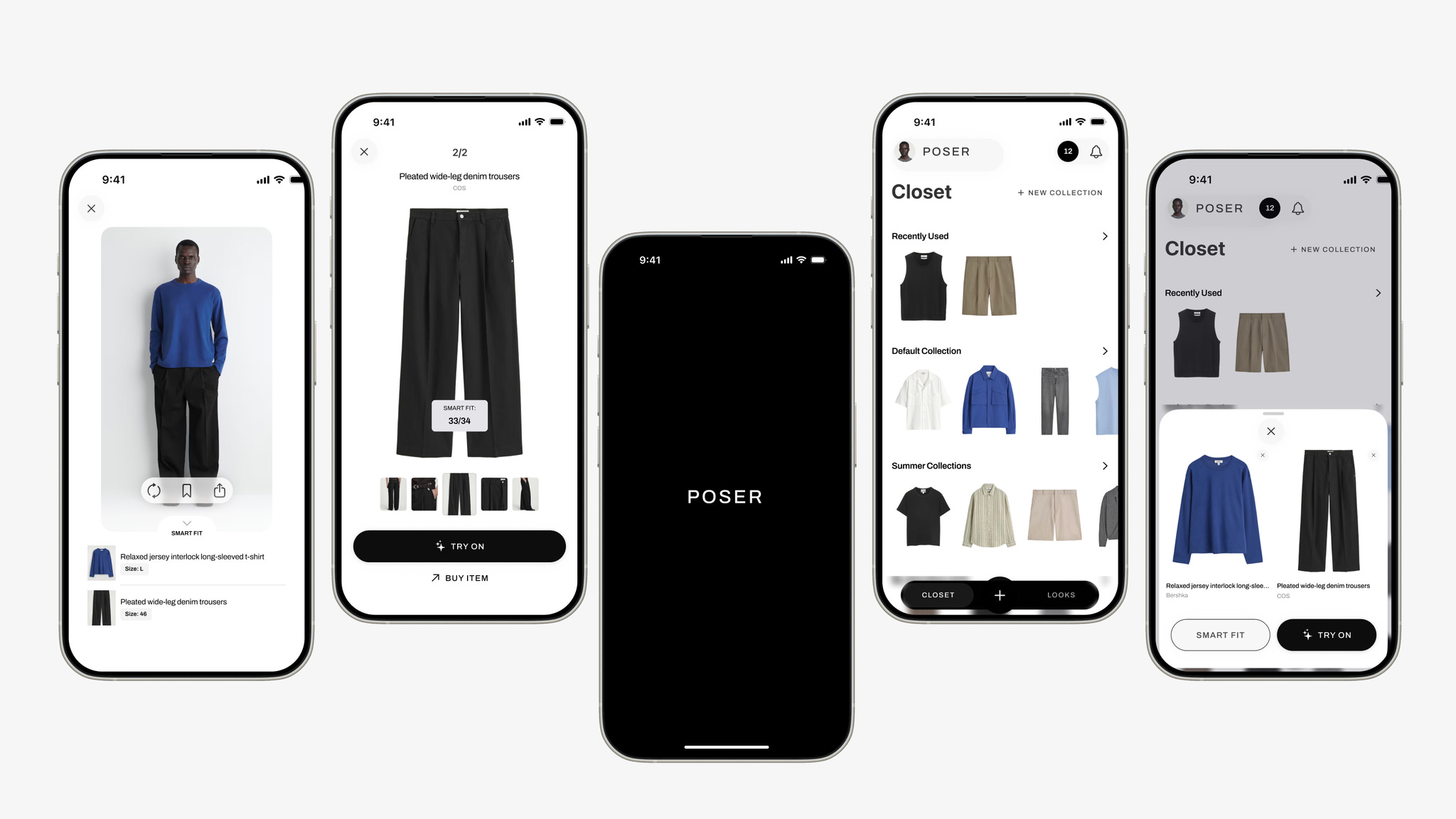
I took this spirit of minimalism into my final project, Poser.
Poser is a mobile app that helps users find the right clothing size and try outfits virtually. There’s data, AR, usability, and fashion all wrapped into one. My job was to make something complex and technical feel effortless.
This project pulled everything together. The technical curiosity from oPus. The business thinking from Main Squeeze. The restraint from Agape.
Before I could actually start moving pixels, I had several calls with the client because I was having a hard time understanding how the technology worked, what it required from the user, and what it could provide in return.
Creating a virtual try-on made sense to me because I’ve seen products that do the same thing, but recommending a size seemed like rocket science. Never thought it was impossible, and I just couldn’t fathom how.
Once I got it, it was a smooth ride from there. Shoppers share a link to the app and get the size recommendation they need in no time, or try the outfit on to see whether it’ll look as they have imagined in their head.
I wasn’t just designing screens. I was designing confidence and helping users realize that this technology would actually make their lives easier.
When I zoom out now, it all makes sense.
This wasn’t just a year of projects. It was a year of becoming more confident — not because I suddenly knew everything, but because I trusted myself to figure things out.
To spend hours stuck on one detail. To argue over color palettes. To care enough to adjust the padding until it felt right. I didn’t struggle with imposter syndrome as much as I used to in the past years.
I learned that curiosity is a real advantage. Every time I leaned into what I didn’t know, I grew.
I learned that design is problem-solving first, aesthetics second. That beauty without purpose doesn’t last.
I learned how much collaboration matters. Moonlight is full of people who push your thinking, challenge your assumptions, and make the work better than you could do alone.
Most importantly, I learned to see design as both structure and storytelling. It is a utility that affects real people in real ways.
I don’t know exactly what next year holds, but I know what I want more of.
Work that actually matters to the people using it.
I want to keep going deeper into product thinking. Not just how things look, but why they exist and how they change behavior. I want to keep understanding the business side of design — how good work becomes successful work.
And I want to keep building alongside the people at Moonlight who make me better.
A year from now, I’ll read this again. Hopefully I’ll smile — not because I had it all figured out, but because I’ve gone even further.
For now, this was my year.
And honestly, it feels like just the beginning.